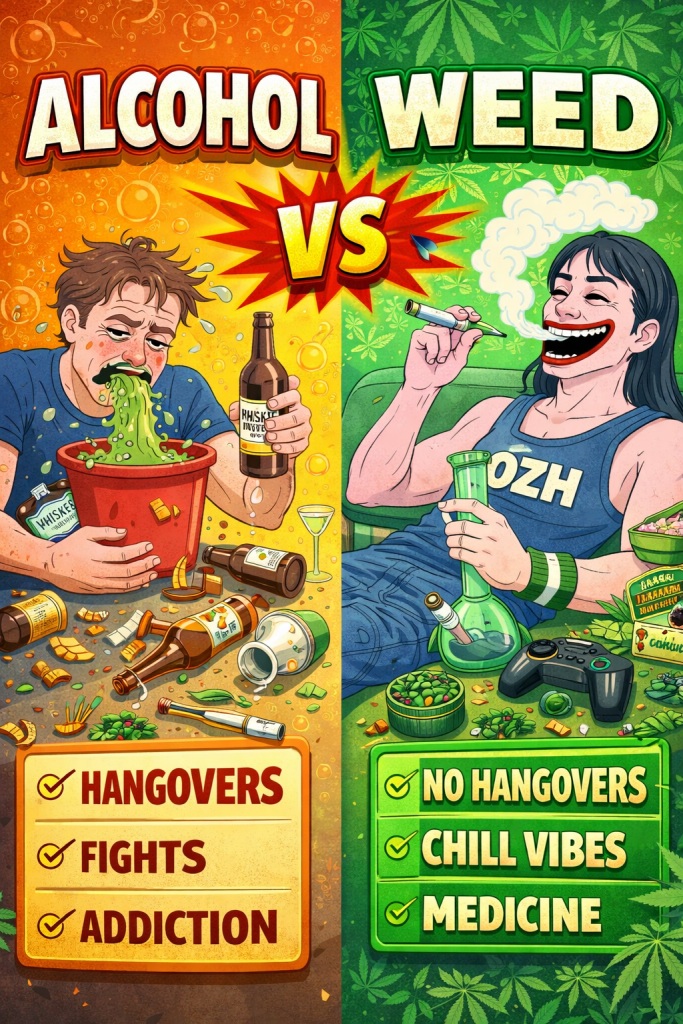
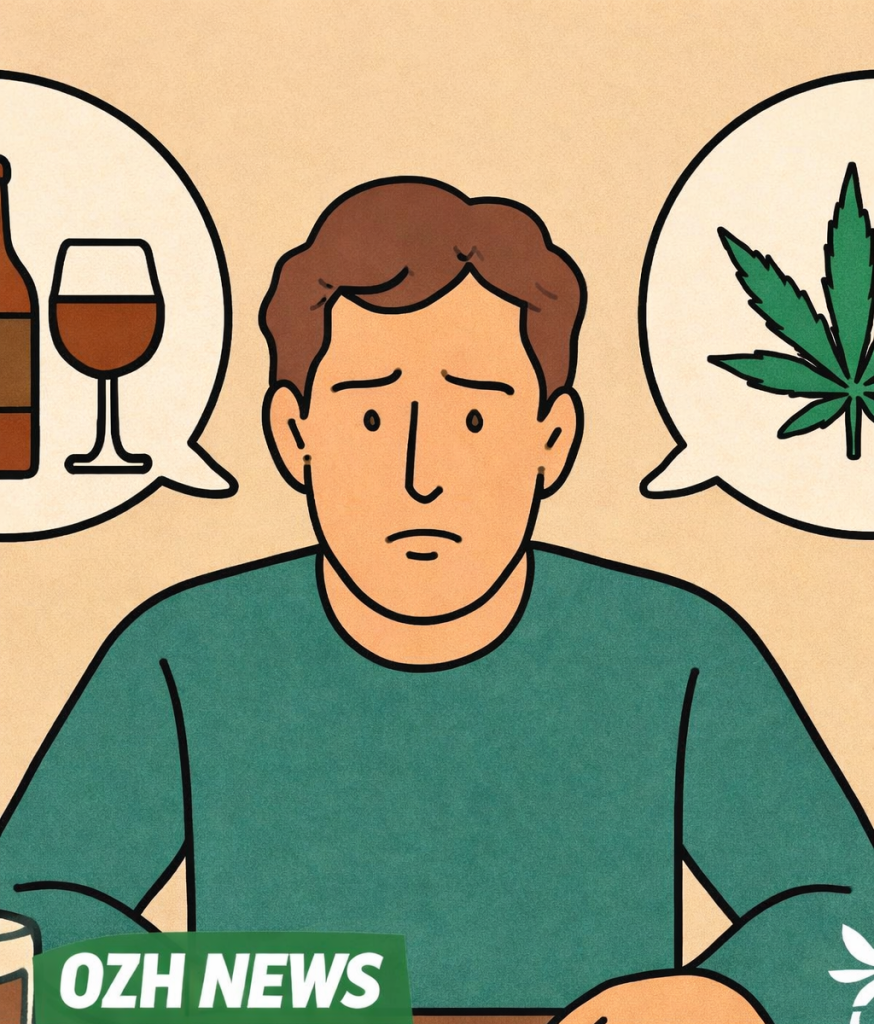
Across the world —from Latin America to Europe and North America— younger generations are driving a profound cultural shift in their relationship with substances. Alcohol consumption, once a cornerstone of youth social life, is steadily declining. At the same time, recreational marijuana use is no longer growing at the pace seen in previous decades and, in some regions, is beginning to stabilize or even decrease.
This shift cannot be attributed to a single factor. Instead, it reflects a convergence of cultural, social, and economic changes. Globally, younger generations are placing greater value on holistic well-being, mental health, personal productivity, and authenticity, moving away from habits associated with excess or escapism.
Unlike previous generations, drinking alcohol or using cannabis is no longer an automatic symbol of freedom, rebellion, or social belonging. In many social circles, mindful sobriety, occasional use, or voluntary abstinence are now socially accepted choices. Social pressure to drink has weakened, while alternatives such as non-alcoholic beverages, functional drinks, wellness experiences, and diverse social spaces continue to grow.
Worldwide behavioral and market studies show that many young adults are choosing to drink less or avoid alcohol altogether, opting instead for non-alcoholic options or, in certain contexts, more controlled and intentional cannabis use. Even cannabis itself is no longer the centerpiece of social life for many, as mental clarity, focus, and balance become higher priorities.
Colombia: a cultural transition in motion
In Colombia, this global shift is beginning to take shape with local nuances. While alcohol still plays a significant role in traditional celebrations and social gatherings, younger urban generations are increasingly questioning these long-standing norms. In cities such as Bogotá, Medellín, and Cali, there is growing interest in healthier lifestyles, fitness culture, mental health awareness, and creative entrepreneurship.
Alcohol consumption among young Colombians shows signs of change: reduced frequency, greater awareness, and a more critical attitude toward excess. At the same time, the conversation around cannabis has evolved. Beyond recreational use, cannabis is increasingly discussed in terms of regulation, public health, medical applications, and economic opportunity, particularly given Colombia’s strategic position in the medical cannabis and hemp industries.
This creates an interesting paradox: while recreational use does not necessarily surge, cannabis is gaining relevance as a cultural, political, and economic topic, tied to innovation, sustainability, and regional development. For many young Colombians, cannabis represents not an escape, but a symbol of structural change and social debate.
A new generational narrative
What connects this generation globally —and in Colombia— is not a total rejection of substances, but a conscious redefinition of consumption. The emphasis is on choosing when, how, and why to consume —or not— based on personal values and informed decisions.
This cultural shift presents both challenges and opportunities for brands, public policy, creative industries, and media. The key question is no longer how much young people consume, but what kind of experiences and lifestyles they want to build.