
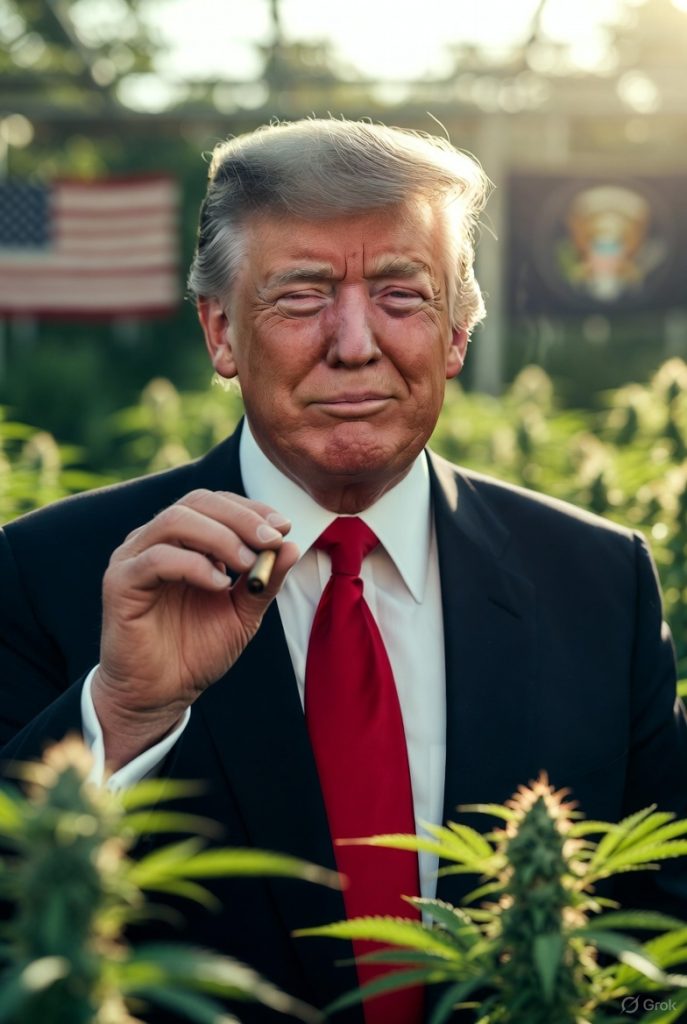
U.S. President Donald Trump is poised to sign an executive order that would change marijuana’s federal classification from Schedule I to Schedule III, according to senior administration sources. This action signals one of the most significant federal cannabis policy shifts in years.
What the Rescheduling Means
Under the Controlled Substances Act, Schedule I denotes substances with high abuse potential and no accepted medical use. Moving marijuana to Schedule III — a category for drugs with *moderate to low dependence potential and recognized therapeutic use — acknowledges medical utility and eases certain federal restrictions.
⚠️ Crucially, this is not full legalization at the federal level, nor does it erase all criminal penalties. Instead, it reorients policy toward research and regulation.
Impacts on Research and Industry
One of the key drivers of this policy shift is a desire to unlock barriers to cannabis research, enabling universities and private labs to study health effects more comprehensively.
Potential benefits include:
- Reduced tax and regulatory burdens for cannabis businesses.
- Greater access to mainstream banking and capital.
- Expanded investment from institutional sources.
These prospects have already sparked rallies in cannabis stock prices, though markets remain uncertain.
Reactions Across the Spectrum
Responses have ranged widely:
- Cannabis advocates praise the move as overdue.
- State legalization proponents see it as a step toward broader reform.
- Opponents caution that the change doesn’t equate to decriminalization or address all public safety concerns.
Analysts note that while rescheduling reduces some federal barriers, major challenges such as interstate commerce and unified regulation still require legislative action.
What Comes Next
The expected signing of the executive order this week could reshape federal cannabis policy — but implementation details and future congressional action will determine its ultimate impact on research, commerce, and public perception in 2026 and beyond.