
Professor Raphael Mechoulam was one of the most influential scientists in the history of cannabis research. Born in 1930 in Bulgaria and later based in Israel, he dedicated much of his life to studying the chemical compounds found in cannabis, transforming modern medicine and reshaping global perceptions of the plant.
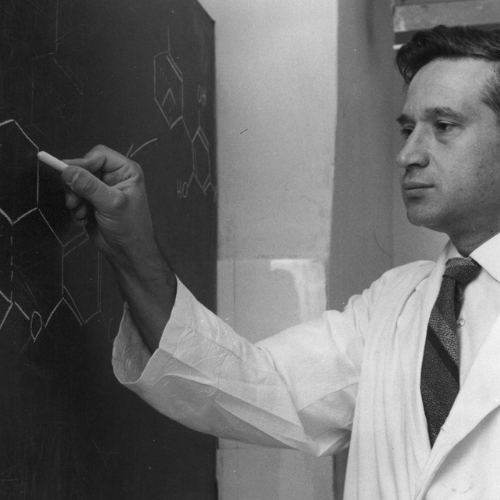
The Father of Cannabinoid Research
During the 1960s, Raphael Mechoulam achieved one of the most important discoveries in cannabis science: isolating and identifying THC (tetrahydrocannabinol), the main psychoactive component of marijuana. This breakthrough allowed researchers to understand how cannabis interacts with the human body and opened the door to decades of scientific exploration.
Later, his work contributed to identifying the endocannabinoid system, a biological network within the human body responsible for regulating essential functions such as sleep, appetite, mood, pain, and memory.
Research That Changed Medicine
Professor Mechoulam’s research played a major role in developing cannabinoid-based therapies. His studies encouraged scientists to investigate cannabis as a treatment option for conditions such as:
- Epilepsy
- Cancer
- Glaucoma
- Post-traumatic stress disorder
- Chronic pain and inflammatory disorders
His discoveries helped legitimize medical cannabis in scientific and healthcare communities, providing new treatment possibilities for patients worldwide.
Awards and Recognition
Throughout his career, Mechoulam received numerous international honors for his scientific contributions, including:
- Israel Prize in Chemistry (1999)
- Rothschild Prize in Chemistry (2016)
- Gold Medal from the Royal Society of Chemistry in the United Kingdom
- Membership in the National Academy of Sciences in the United States
- Honorary doctorates from universities worldwide
These awards highlight the global importance of his work in chemistry, pharmacology, and medicine.
A Scientist Dedicated to the Future
Beyond medicine, Raphael Mechoulam supported research into industrial hemp as a sustainable alternative to environmentally harmful materials such as plastic and cotton.
He believed cannabis could contribute not only to healthcare but also to sustainability, innovation, and environmental responsibility.
Conclusion: A Lasting Legacy
The passing of Raphael Mechoulam marked the loss of a scientific pioneer, but his legacy remains alive. His discoveries transformed cannabis science and inspired generations of researchers.
Today, countless scientists continue building upon his work, while millions of patients benefit from treatments influenced by his groundbreaking discoveries.
Raphael Mechoulam was more than a scientist — he was a visionary who changed the future of cannabis and modern medicine.