
Every first Saturday of May, thousands of people take to the streets across hundreds of cities worldwide to participate in the World Marijuana March (WMM) — a global movement advocating for cannabis reform, legalization, and social awareness.
From cities like Amsterdam, Mexico City, Buenos Aires, Toronto, Madrid, and Bogotá, the march has become a symbol of activism, culture, and resistance. In Colombia, however, few cities have embraced the cannabis movement as strongly as Medellín.
For many years, Medellín has hosted one of the largest cannabis gatherings in Latin America, bringing together tens of thousands of people in support of cannabis rights and education.
What Is the World Marijuana March?
The World Marijuana March — internationally known as the Global Marijuana March (GMM) — is a worldwide annual demonstration promoting:
- Cannabis legalization
- Decriminalization of personal use
- Home cultivation rights
- Medical cannabis access
- Drug policy reform
- Ending stigma around cannabis consumers
The march takes place simultaneously in hundreds of cities around the globe, uniting consumers, activists, cultivators, medical patients, entrepreneurs, and cannabis educators.
Originally emerging in the late 1990s, the movement has evolved into one of the most visible global cannabis advocacy events.
Medellín: A City That Embraced Cannabis Culture
In Medellín, the World Marijuana March is more than a protest.
It has become a cultural phenomenon.
Over the years, the event has grown from a niche gathering into a massive urban demonstration that reflects the city’s evolving relationship with cannabis.
The march traditionally moves through central areas of Medellín, gathering thousands of participants before ending in open public spaces filled with music, speeches, and community interaction.
More Than Consumers: A Diverse Community
One of the most remarkable aspects of Medellín’s cannabis march is the diversity of attendees.
It is not only about recreational cannabis users.
Participants often include:
- Medical cannabis patients
- Independent growers
- Industry professionals
- Cannabis entrepreneurs
- Artists and musicians
- Human rights activists
- Curious observers
- Educators and researchers
The event has become a meeting point for different voices connected to cannabis culture.
Over 50,000 People: The Scale of the Movement
Several editions of the Medellín march have reportedly drawn more than 50,000 participants, making it one of the largest cannabis mobilizations in Latin America.
The size of the crowd reflects how cannabis advocacy has moved beyond underground culture and entered mainstream social discussion.
For many attendees, the event is not only political — it is deeply personal.
The Messages: Legalization, Freedom, and Education
Throughout the march, banners, posters, and chants dominate the streets.
Common messages include:
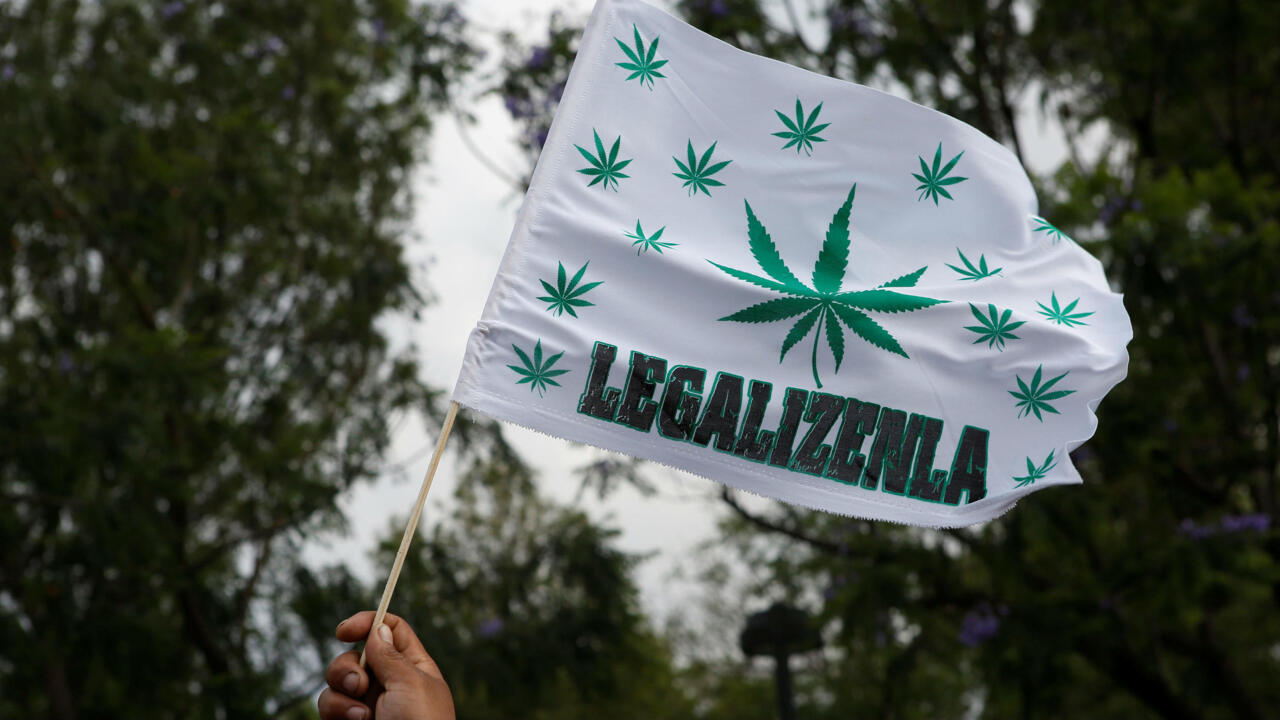
- “Legalize Cannabis”
- “The Plant Is Not the Problem”
- “Growing Is Not a Crime”
- “Education Over Stigma”
- “Medical Cannabis for Everyone”
In Medellín, many participants advocate for updated cannabis legislation and greater public understanding of cannabis users.
Music, Art, and Cannabis Commerce
The World Marijuana March has developed its own cultural identity where activism blends with urban expression.
Throughout the day, attendees experience:
- Reggae performances
- Hip-hop shows
- DJs and live music
- Street art and graffiti
- Cannabis-related merchandise
- Smoking accessories
- Educational booths
- Independent cannabis brands
For many small businesses and emerging entrepreneurs, the event also serves as an opportunity to connect directly with the cannabis community.
A Space for Normalization
One of the most significant impacts of the march is the shift in public perception.
For decades, cannabis was largely associated with criminality and stigma.
Events like the World Marijuana March help reveal another reality:
- Responsible consumers
- Medical users
- Working professionals
- Legal entrepreneurs
- Researchers and educators
- Communities advocating for reform
The visibility of thousands of peaceful participants challenges outdated stereotypes.
Personal Experience: Medellín’s Streets Filled With Smoke, Music, and Freedom
Attending the march in 2023 offered a firsthand look at how powerful this movement has become.
The streets of Medellín transformed into a sea of people.
Clouds of smoke floated through the air.
Music echoed from every direction.
Cannabis flags, handmade signs, and artistic expression covered the city.
There were industry professionals, longtime cannabis advocates, casual consumers, and curious newcomers — all sharing the same public space.
The atmosphere felt less like a protest and more like a collective cultural experience.
Medellín and the Future of Cannabis Culture
As Colombia’s cannabis industry continues to grow, Medellín is positioning itself as a key city within the national cannabis ecosystem.
The World Marijuana March reflects that transformation.
It shows how cannabis conversations are evolving beyond prohibition and moving toward education, regulation, and acceptance.
The World Marijuana March in Medellín represents far more than a public gathering.
It is a reflection of changing perspectives around cannabis.
Every year, tens of thousands of people walk together to demand legalization, recognition, and freedom from stigma.
As cannabis culture continues to evolve globally, Medellín remains one of Latin America’s strongest voices in the movement.